Educational Trends in Pakistan: How We Compare to Global Education Education in Pakistan is at a crossroads. On one side, we face long-standing challenges in accessibility and quality. On the other, we see modern reforms, digital growth, and innovative learning approaches emerging, especially after COVID-19 accelerated educational technology adoption. This post explores where Pakistan’s education stands today , how it compares to global education trends, and what we can learn to move forward. 1. Pakistan’s Current Education Landscape In Pakistan, education is influenced by socioeconomic divides , infrastructure limitations, and inconsistent policy implementation. Key realities: Over 22 million children are out of school Major gap between private and government schooling Rural areas face teacher shortages and lack of technology Literacy rate still low compared to global average However, positive changes are emerging: Increased use of EdTech platform...
Educational Trends in Pakistan: How We Compare to Global Education
Education in Pakistan is at a crossroads. On one side, we face long-standing challenges in accessibility and quality. On the other, we see modern reforms, digital growth, and innovative learning approaches emerging, especially after COVID-19 accelerated educational technology adoption.
This post explores where Pakistan’s education stands today, how it compares to global education trends, and what we can learn to move forward.
1. Pakistan’s Current Education Landscape

In Pakistan, education is influenced by socioeconomic divides, infrastructure limitations, and inconsistent policy implementation.
Key realities:
-
Over 22 million children are out of school
-
Major gap between private and government schooling
-
Rural areas face teacher shortages and lack of technology
-
Literacy rate still low compared to global average
However, positive changes are emerging:
-
Increased use of EdTech platforms
-
Growth of private educational initiatives
-
Rising interest in vocational and skill-based programs
-
Expanding online learning opportunities
2. How the World Is Evolving in Education
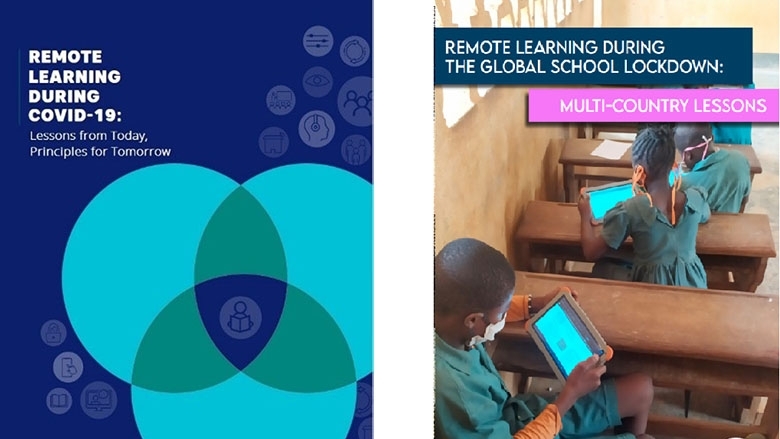
Globally, leading countries are embracing:
-
Student-centered learning (Finland)
-
AI-assisted personalized education (USA, Singapore)
-
Skills over grades model
-
Digital-first education ecosystems
-
Strong teacher training systems
Many countries are shifting from rote memorization to problem-solving and creativity-based learning.
3. Teaching Methods: Memorization vs. Creativity
In Pakistan, traditional teaching still focuses on:
-
Exams
-
Memory-based assessments
-
Rigid syllabi
Globally, there’s a shift toward:
-
Conceptual learning
-
Critical thinking
-
Team-based projects
-
Creative exploration
4. Role of Technology in Education
Pakistan is slowly embracing technology through:
-
YouTube learning
-
Online tutoring
-
WhatsApp study groups
-
Local EdTech startups
But globally, countries are using:
-
AI-based tutoring
-
Virtual reality simulations
-
Data-driven student analytics
-
Digital libraries and cloud-based learning ecosystems
5. Skills-Based Education: Pakistan vs the World
Globally, employers value:
-
Problem-solving
-
Coding
-
Communication
-
Global awareness
In Pakistan, the education system still emphasizes:
-
Degree vs ability
-
Theory vs practice
This creates a gap between education and employment.
We need:
-
More vocational training
-
Coding and digital literacy
-
Entrepreneurship education
-
Soft-skills development
Final Thoughts: The Way Forward for Pakistan
Pakistan does not lack talent, it lacks infrastructure, equity, and modern teaching methodology. The world is moving fast toward flexibility, creativity, and personalization in learning. With the right reforms and investment in technology, Pakistan can bridge the educational gap.
The future demands:
✔ Student-centered learning
✔ Teacher training & digital development
✔ Equal access for rural and urban populations
✔ Technological integration
✔ Focus on practical skills
Comments
Post a Comment